
ATR vs Standard Deviation: What’s the Real Difference?

Both ATR (Average True Range) and Standard Deviation are popular tools for measuring volatility in trading. While they seem similar on the surface, they serve different roles and respond to market conditions in unique ways. In this article, we’ll compare ATR vs standard
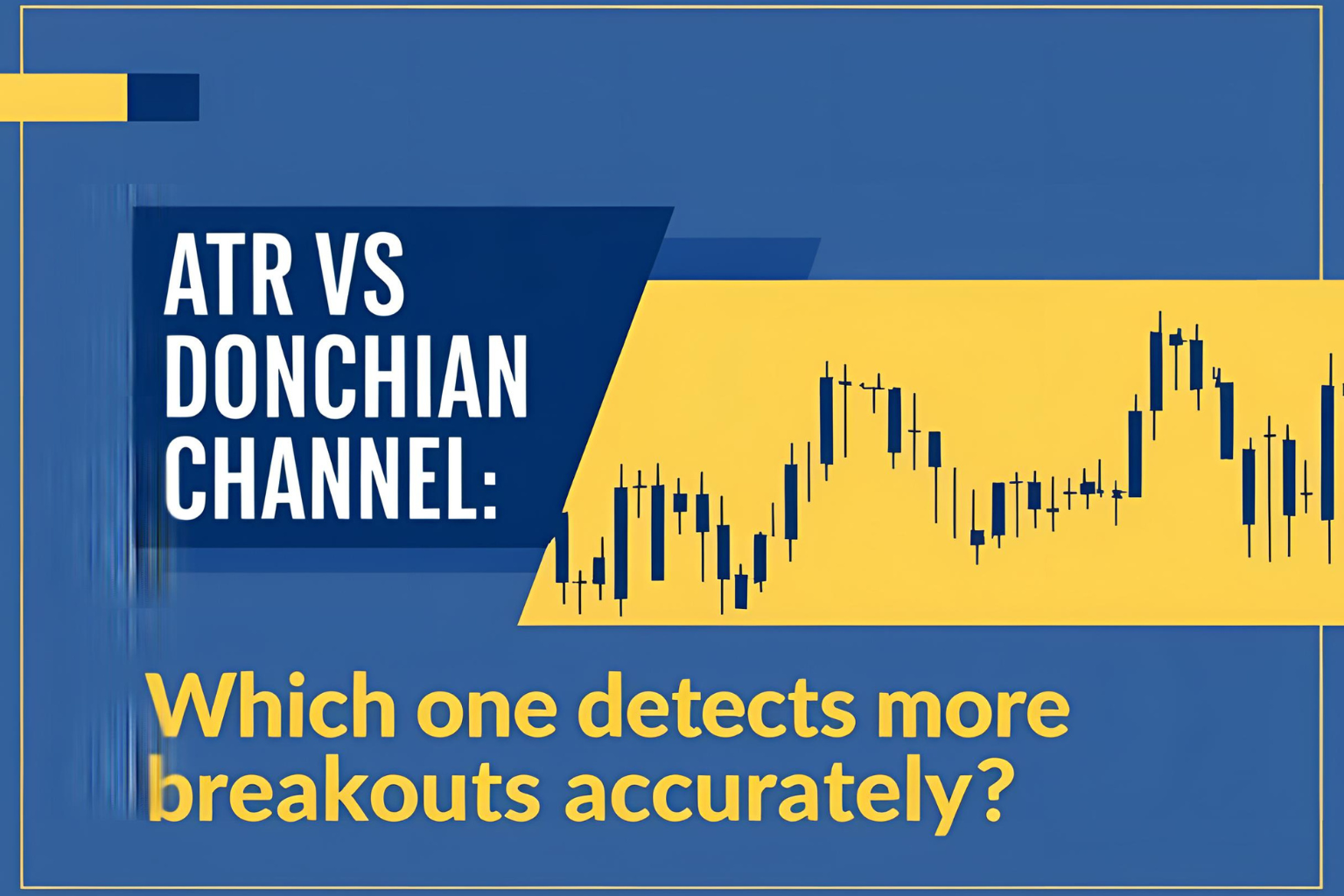
ATR vs Donchian Channel: Which One Detects Breakouts More Accurately?
The ATR (Average True Range) and the Donchian Channel are both popular technical indicators, but they serve different purposes. Traders looking for breakout setups often wonder which tool provides a better signal. This comparison will help you understand when to use ATR, when
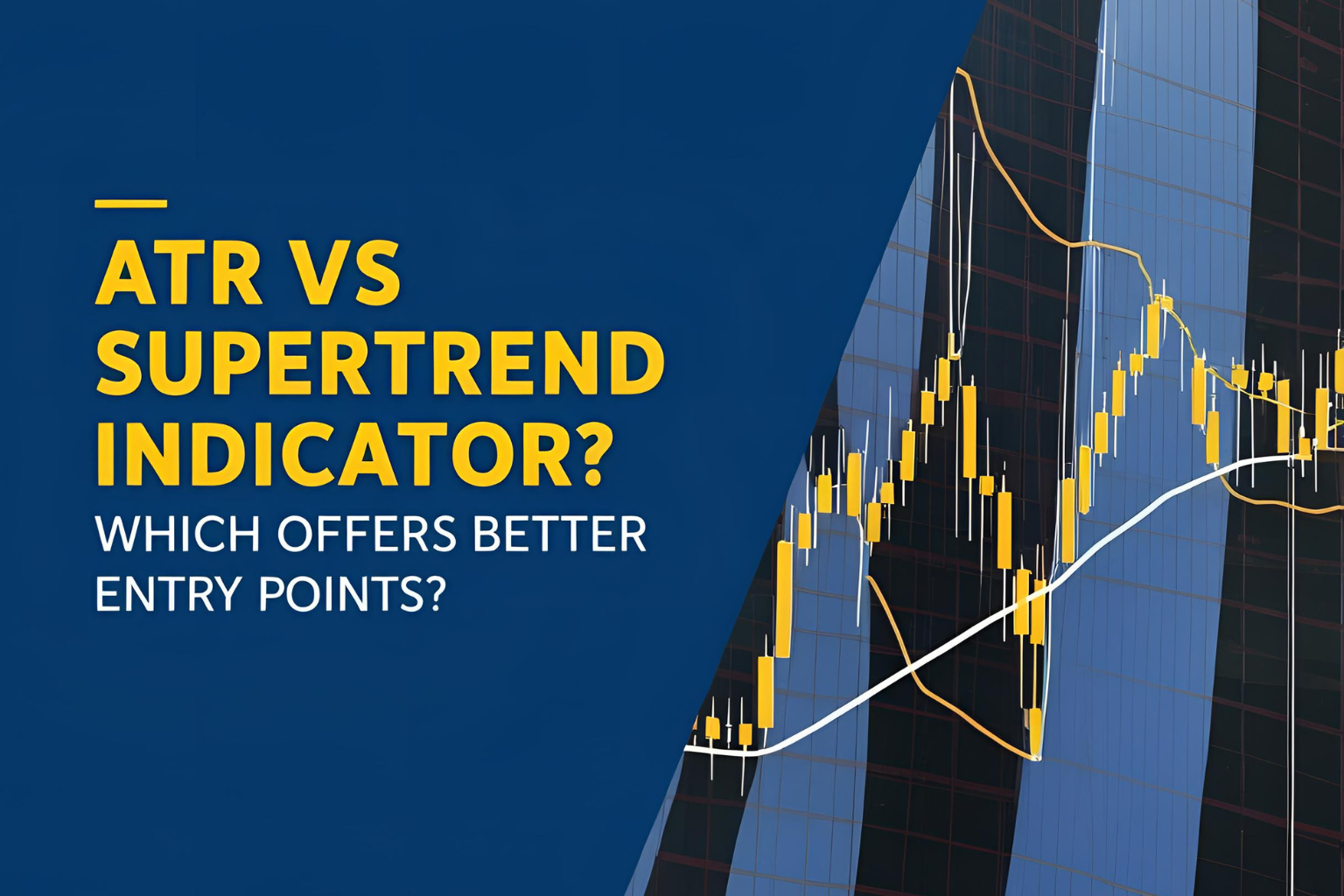
ATR vs Supertrend Indicator: Which Offers Better Entry Points?
Both the ATR (Average True Range) and the Supertrend indicator are commonly used in trading, but they serve different purposes. While ATR helps manage volatility and risk, Supertrend is often used for entry and exit signals. In this article, we’ll compare ATR vs
ATR vs Bollinger Bands: Which Is Better for Volatility?
Both ATR (Average True Range) and Bollinger Bands are widely used for analyzing market volatility, but they work in very different ways. Knowing when and how to use each can help you make better trading decisions. In this post, we’ll break down the